
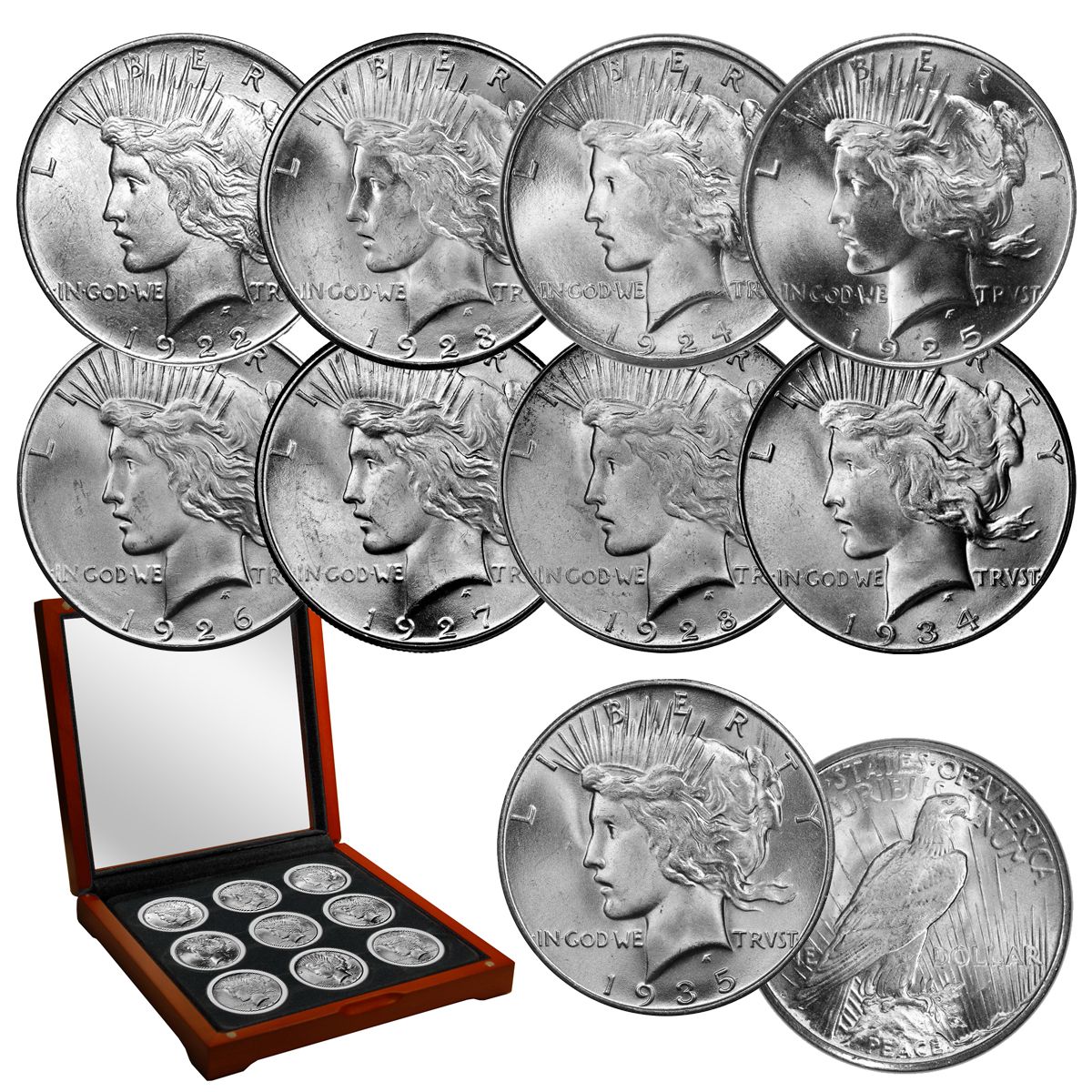
Over the past two decades, Peace silver dollars have transformed from modest silver coins into steadily appreciating collector pieces, reflecting both broader precious metals trends and growing interest in historic U.S. coinage. Originally struck between 1921 and 1935 to commemorate the end of World War I, Peace dollars contain 0.7734 troy ounces of 90 % silver and have long been prized for their artistic design and historical significance.
In the early 2000s, many Peace dollars traded close to their silver melt value, typically in the range of roughly $25 to $40 for common dates in circulated condition. However, as silver prices climbed and numismatic interest deepened, the market for these coins broadened. Compared with rare high-grade examples or key dates, which have always commanded premiums, more common Peace dollars began to increasingly attract attention from both stackers and collectors alike.
Market data from professional grading services illustrate the appreciation in value among higher-grade Peace dollars over recent years. For example, according to PCGS price guides, Uncirculated Peace dollars graded MS63 have risen significantly, from under $10,000 to over $14,000 in many cases, marking strong growth for mid-to-high grade specimens. Even top tier coins, such as those graded MS65+, have seen substantial increases in realized prices — reflecting sustained demand among serious collectors.
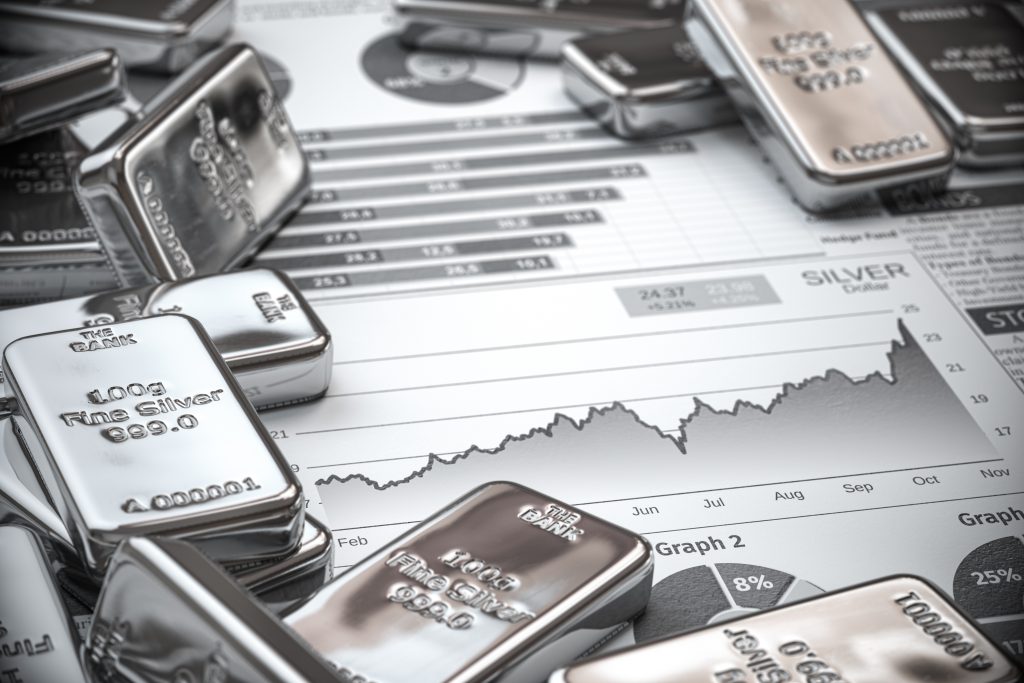
A key factor driving performance is the blend of metal value and collectible appeal. As silver itself has experienced periods of sharp appreciation — including notable rallies in 2025 with silver prices surging more than 130 % year-to-date — the intrinsic floor for Peace dollar values has risen accordingly. This backdrop enhances the appeal of these historical silver coins beyond purely numismatic reasons.
Among the most valuable in the series are the inaugural 1921 high-relief Peace dollars and the low-mintage 1928 Philadelphia pieces, both of which consistently outperform common dates and often serve as benchmarks for the market’s health. Scarcer issues like the 1934-S also command significant premiums in desirable grades.
While common circulated Peace dollars still trade near their silver value for many collectors, high-grade and scarce varieties have clearly outpaced general inflation and silver spot prices over the last 20 years. For investors and numismatists alike, Peace dollars represent a bridge between bullion and collectible markets — combining historical significance with tangible asset value — and they continue to be among the most watched vintage U.S. coins in the hobby.