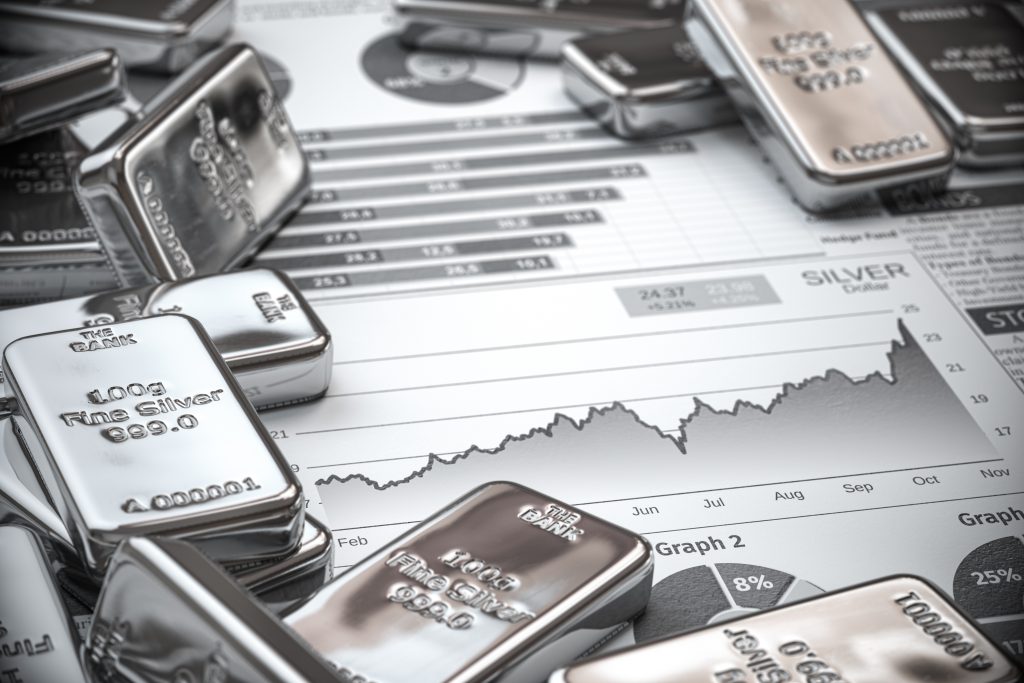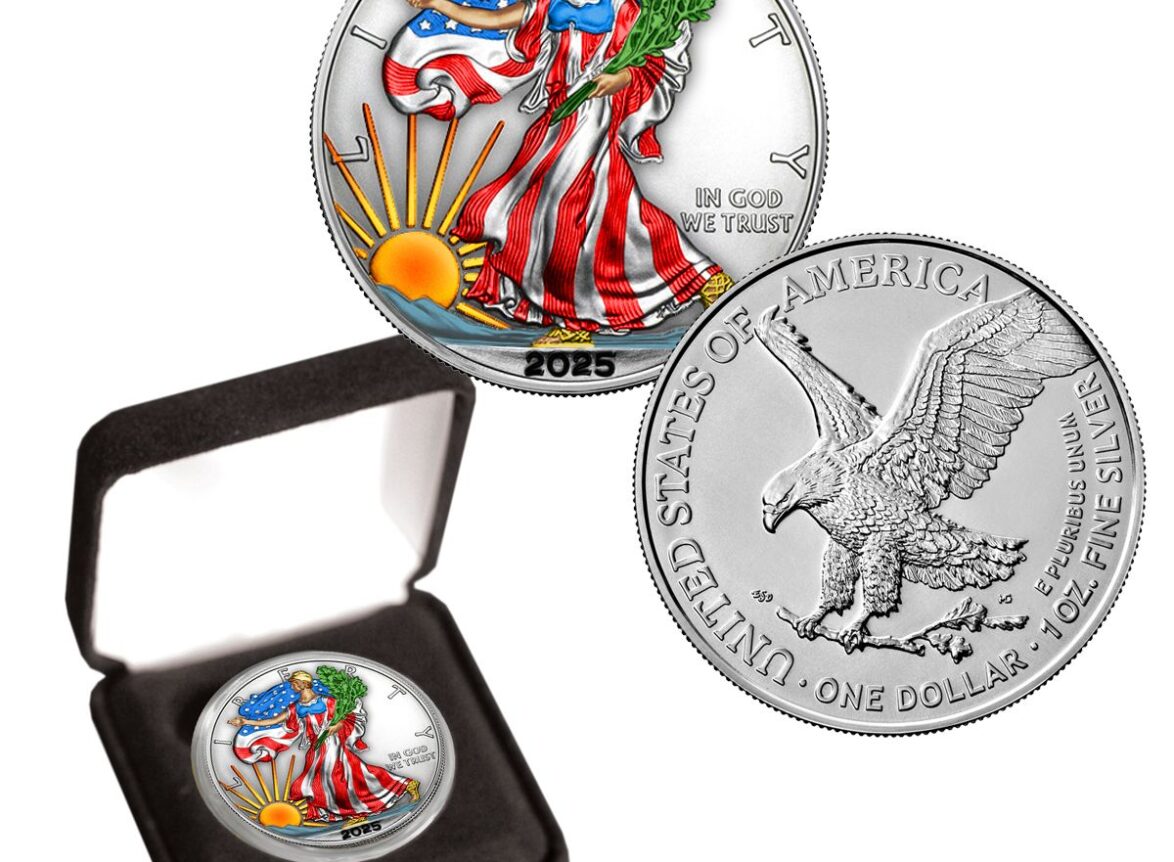

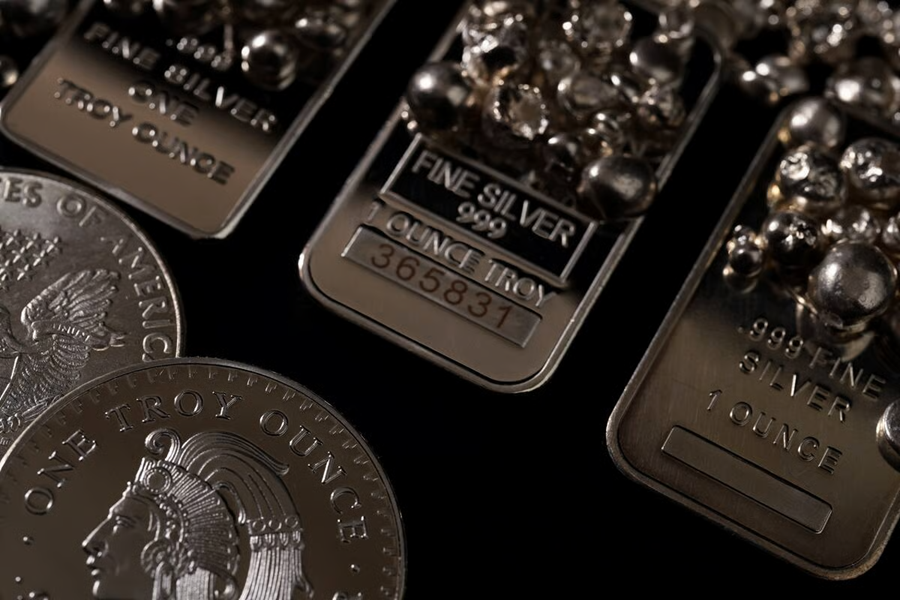
Silver prices have surged to historic highs this December, capturing global financial markets’ attention as the precious metal outperforms many traditional assets. For the first time ever, silver crossed the $60 per ounce mark, climbing to record levels before experiencing modest profit-taking by traders. (Nasdaq)
Analysts attribute the rally to a potent mix of supply constraints, robust industrial demand, and shifting macroeconomic conditions. After trading in familiar ranges for years, silver’s dramatic ascent reflects deep-rooted structural trends in both global demand and production.
Drivers Behind the Surge
1. Persistent Supply Deficits
Silver has faced a multi-year supply shortage, with global mine production failing to keep pace with rising demand. This structural deficit—now entering its fifth consecutive year—has tightened physical markets and diminished inventories, fueling upward price pressure.
2. Industrial and Technological Demand
Unlike gold, silver’s price is heavily influenced by its role in industrial applications. Its superior electrical and thermal conductivity makes it indispensable in solar panels, electric vehicles, advanced electronics, and data centers—sectors that are expanding rapidly as economies transition toward cleaner energy and digital infrastructure.
3. Macro and Monetary Tailwinds
Expectations of interest rate cuts by the U.S. Federal Reserve, combined with a softer U.S. dollar, have reinforced silver’s appeal as a non-yielding store of value and inflation hedge. In this environment, precious metals traditionally benefit as investors seek alternatives to low-yielding cash and bonds.
Market Reaction and Investor Sentiment
The market reaction has been notable. After reaching lifetime highs above $60, silver saw some near-term pullback as traders booked profits—a normal response amid heightened volatility. (Reuters) Still, overall sentiment remains bullish, with many investors and analysts seeing the recent dip as a potential buying opportunity.
Institutional interest has also risen, with policymakers and markets recognizing silver’s strategic importance. For instance, new policies allowing broader institutional participation in precious metal ETFs are expected to further support demand.
Outlook for 2026 and Beyond
Looking ahead, industry experts suggest that silver’s trajectory will continue to be shaped by the balance between industrial growth and supply responsiveness. While some caution that valuation levels are elevated and volatility may persist, many see longer-term support from technological adoption and persistent deficits. As the global economy navigates inflationary pressures and technological transitions, silver’s dual identity as both an industrial commodity and investment asset could solidify its role as a key player in diversified portfolios.